 Amanah
Ini adalah studi kasus ilustratif dan komposit, disusun dari pola yang berulang di lapangan, bukan satu klien tunggal. Setiap angka, lokasi, dan detail telah dianonimkan. Tujuannya menunjukkan cara berpikir dan alur kerja, bukan menjanjikan hasil.
This is an illustrative, composite case study, assembled from patterns that recur in the field, not a single real client. Every figure, location, and detail has been anonymized. Its purpose is to show the way of thinking and the workflow, not to promise outcomes.
1. Situasi awal: kaya aset, nol cashflow
1. The starting point: asset rich, cashflow zero
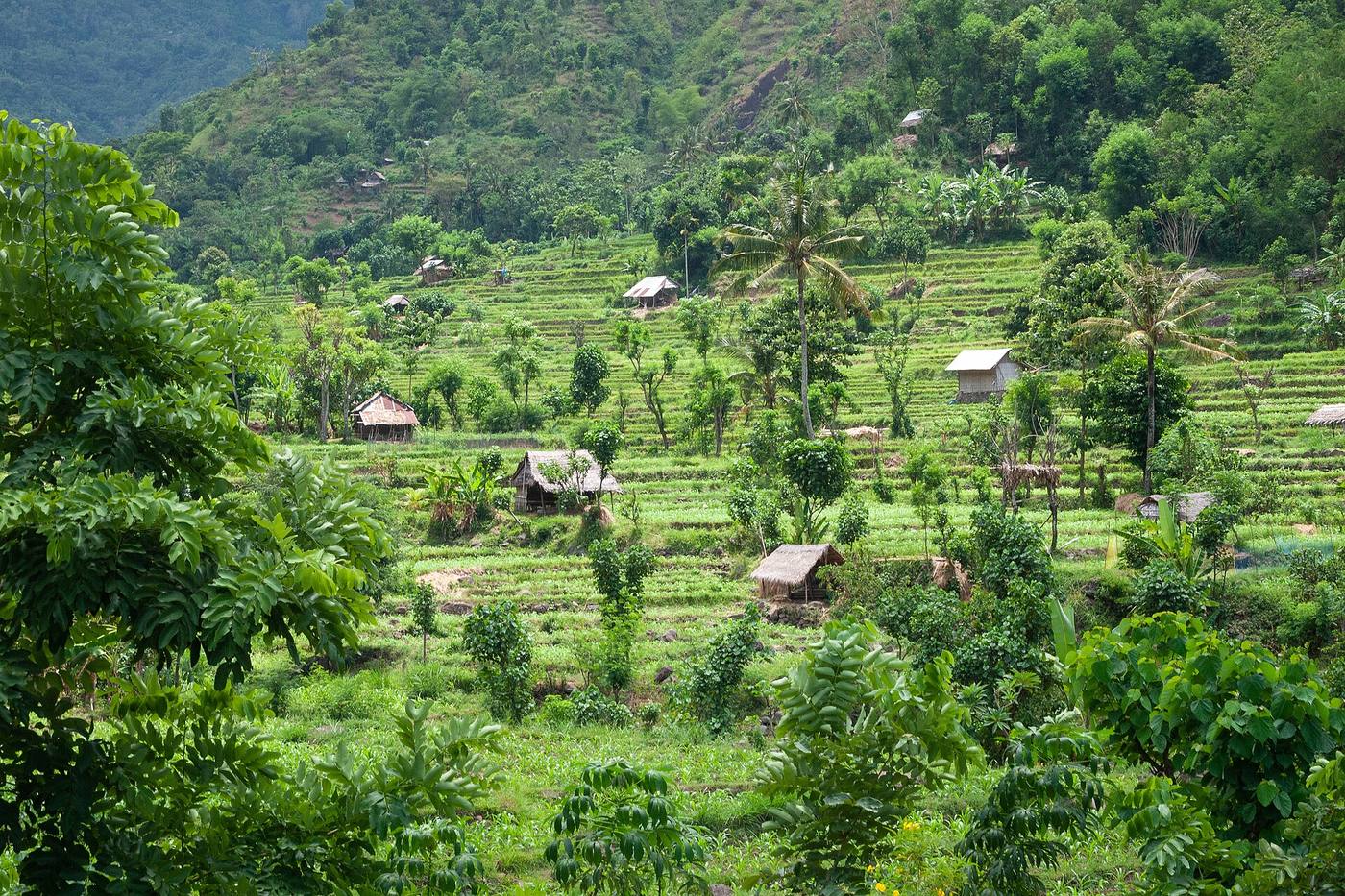
Sebuah pesantren (sebut saja "Pesantren A") mewarisi sebidang tanah wakaf seluas kurang lebih dua hektar di pinggir jalan provinsi yang ramai. Tanahnya strategis: dekat permukiman padat, dilewati angkutan umum, dan bersebelahan dengan kawasan pendidikan. Di atas peta, ini adalah aset bernilai miliaran rupiah. Di atas buku kas pesantren, ia menghasilkan tepat nol rupiah per tahun.
A pesantren (Islamic boarding school), call it "Pesantren A", inherited a parcel of waqf land of roughly two hectares along a busy provincial road. The land is strategic: close to dense housing, on a public-transport route, and next to an education district. On a map, it is an asset worth billions of rupiah. On the pesantren's cash ledger, it produced exactly zero rupiah a year.
Selama bertahun-tahun, sebagian tanah dipakai untuk parkir tak resmi, sebagian ditumbuhi semak, dan sebagian lagi "dijaga" tanpa rencana. Pengurus tahu nilainya, tapi setiap usul memanfaatkannya terhenti oleh kekhawatiran yang sangat wajar: bagaimana kalau melanggar syarat wakaf? Bagaimana kalau tanah ini lepas? Siapa yang menjamin hasilnya benar-benar kembali ke pesantren? Maka pilihan teraman selama ini adalah tidak melakukan apa-apa, dan biaya dari "tidak melakukan apa-apa" itu diam-diam menumpuk setiap tahun.
For years, part of the land served as informal parking, part grew over with scrub, and part was simply "guarded" with no plan. The custodians knew its value, but every proposal to use it stalled on entirely reasonable fears: what if it breaks the terms of the waqf? What if the land is lost? Who guarantees the proceeds truly return to the pesantren? So the safest choice, for a long time, was to do nothing, and the cost of "doing nothing" quietly compounded every year.
Biaya itu nyata, meski tak pernah masuk neraca secara eksplisit. Ada biaya peluang: setiap tahun tanah menganggur adalah setahun manfaat yang hilang, manfaat yang seharusnya bisa membiayai beasiswa, gaji ustaz, atau perbaikan asrama. Ada pula biaya pemeliharaan: tanah kosong tetap perlu dijaga dari serobot, dirawat agar tidak jadi tempat pembuangan, dan dibayar pajaknya. Pesantren akhirnya menanggung beban tanpa menerima manfaat, kondisi yang oleh banyak pengelola wakaf disebut "kaya di atas kertas, miskin di kas". Pola ini bukan kekhasan satu lembaga; ia berulang di ratusan pesantren dan masjid besar di seluruh negeri.
That cost is real, even if it never explicitly hits the balance sheet. There is opportunity cost: every year of idle land is a year of lost benefit, benefit that could have funded scholarships, teachers' salaries, or dormitory repairs. There is also maintenance cost: empty land still has to be guarded against encroachment, kept from becoming a dumping ground, and taxed. The pesantren ends up carrying the burden without receiving the benefit, a condition many waqf managers call "rich on paper, poor in cash". This pattern is not unique to one institution; it repeats across hundreds of pesantren and large mosques nationwide.
2. Diagnosa: Asset Assessment
2. The diagnosis: Asset Assessment
Langkah pertama Amanah adalah memetakan kondisi sebenarnya, bukan menawarkan proyek. Kami mulai dari dokumen: sertifikat wakaf, akta ikrar wakaf, status legal, dan batas-batas tanah. Lalu kami baca buku operasional pesantren untuk memahami berapa sebenarnya kebutuhan kasnya. Hasil diagnosa diringkas seperti ini:
Amanah's first step is to map the real situation, not to pitch a project. We start with documents: the waqf certificate, the deed of waqf pledge, legal status, and land boundaries. Then we read the pesantren's operating books to understand what its cash needs actually are. The diagnosis summarizes like this:
Gambarnya jelas: pesantren menanggung kebutuhan operasional yang nyata setiap tahun, sementara aset terbesarnya tidur. Diagnosa juga menegaskan dua hal yang menjadi pagar pengaman seluruh rencana: status wakaf yang tidak boleh dan tidak akan diubah, dan kebutuhan akan transparansi penuh agar pengurus, nazhir, dan jamaah dapat mempercayai setiap rupiah yang masuk dan keluar.
The picture is clear: the pesantren carries a real operating need every year while its largest asset sleeps. The diagnosis also confirms two guardrails for the entire plan: the waqf status that must not and will not change, and the need for full transparency so that managers, the nazhir, and the community can trust every rupiah in and out.
Asset Assessment lebih dari sekadar mengukur luas dan menaksir harga. Ia juga menilai kesiapan aset untuk diproduktifkan: apakah batas tanah jelas dan tidak bersengketa, apakah ada akses jalan yang memadai, apakah peruntukan tata ruang mengizinkan bangunan komersial, dan apakah nazhir memiliki kewenangan untuk menyepakati skema pengelolaan. Tahap ini juga menjadi momen membangun kepercayaan: kami tidak meminta pesantren menyerahkan apa pun, hanya membuka data agar bisa dipetakan secara jujur. Banyak rencana gagal bukan karena asetnya buruk, tetapi karena diagnosa dilewati dan asumsi keliru baru ketahuan saat proyek sudah berjalan.
Asset Assessment is more than measuring area and estimating price. It also gauges the asset's readiness to be made productive: whether the boundaries are clear and undisputed, whether road access is adequate, whether zoning permits a commercial building, and whether the nazhir has the authority to agree on a management scheme. This stage is also where trust is built: we ask the pesantren to hand over nothing, only to open its data so it can be mapped honestly. Many plans fail not because the asset is poor, but because the diagnosis was skipped and the wrong assumptions only surfaced once the project was under way.
3. Pilihan produktifikasi
3. Productivity options
Dari satu bidang tanah bisa lahir banyak skenario. Amanah tidak datang dengan satu jawaban tunggal; kami sajikan beberapa opsi yang masuk akal secara pasar dan bersih secara syariah, lengkap dengan catatan akadnya.
A single parcel can give rise to many scenarios. Amanah does not arrive with one fixed answer; we present several options that make market sense and stay clean under Sharia, each with its contract note.
Ruko / ritel sewa
Deretan ruko atau unit ritel disewakan ke pelaku usaha lokal. Akad ijarah, pesantren (via pengelola) menyewakan ruang dan menerima sewa berkala. Permintaan stabil karena lokasi di jalur ramai.
Shophouses / retail lease
A row of shophouses or retail units leased to local businesses. An ijarah contract: the pesantren (via the manager) leases the space and receives periodic rent. Demand is steady given the busy frontage.
Kos / rusunawa
Hunian sewa untuk santri senior, mahasiswa kawasan pendidikan sebelah, dan umum. Akad ijarah; okupansi tinggi karena kelangkaan hunian layak di sekitar kampus.
Student housing / dorms
Rental housing for senior students, students of the adjacent education district, and the public. An ijarah contract; occupancy is high given the scarcity of decent housing near campus.
Gudang / mixed-use
Gudang logistik kecil atau kombinasi ritel-hunian-gudang. Cocok dengan skema BOT (Build–Operate–Transfer): mitra membangun & mengelola, lalu aset kembali utuh ke wakaf di akhir masa.
Warehouse / mixed-use
A small logistics warehouse or a retail-housing-warehouse mix. Fits a BOT (Build–Operate–Transfer) scheme: a partner builds and operates, then the asset returns intact to the waqf at term's end.
Catatan akad
Setiap opsi memakai ijarah atas tanah/bangunan atau skema BOT untuk pembangunan. Tidak ada penjualan, tidak ada agunan atas tanah wakaf. Pilihan final ditentukan kelayakan & opini syariah.
Contract note
Every option uses ijarah over land/buildings or a BOT scheme for construction. No sale, no pledge over the waqf land. The final choice depends on feasibility and the Sharia opinion.
4. Struktur yang dipilih
4. The chosen structure
Setelah uji kelayakan, dipilih kombinasi ruko sewa + kos, dibangun bertahap melalui mitra dengan skema BOT. Yang membuat struktur ini aman adalah cara kepemilikan dan hak kelola dipisahkan, bukan jenis bangunannya:
After feasibility testing, a mix of retail lease + student housing was chosen, built in phases through a partner under a BOT scheme. What makes the structure safe is how ownership and the right to manage are separated, not the type of building:
- 1Kepemilikan tanah tetap wakaf. Sertifikat tidak pindah tangan, tidak dijual, tidak diagunkan. Status wakaf melekat permanen pada tanah.
- 1Land ownership stays waqf. The certificate does not change hands, is not sold, is not pledged. Waqf status is permanently attached to the land.
- 2SPV memegang hak kelola. Sebuah entitas khusus (SPV) memegang hak guna/kelola atas tanah lewat ijarah atau HGB di atas tanah wakaf, bukan kepemilikan, hanya hak pakai berjangka.
- 2An SPV holds the right to manage. A special-purpose vehicle (SPV) holds the right to use/manage the land via ijarah or HGB (right-to-build) over waqf land, not ownership, only a time-bound right of use.
- 3Pokok dijaga. Korpus wakaf (tanah) tidak pernah dipertaruhkan. Yang diproduktifkan adalah manfaat-nya, bukan asetnya.
- 3The principal is protected. The waqf corpus (the land) is never put at risk. What is made productive is the benefit, not the asset.
- 4Akad disetujui Dewan Pengawas Syariah. Seluruh skema, mulai ijarah, HGB, BOT, hingga distribusi, ditelaah dan disahkan dewan pengawas syariah sebelum berjalan.
- 4Contracts approved by the Sharia Supervisory Board. The entire scheme, from ijarah, HGB, and BOT to distribution, is reviewed and ratified by the Sharia board before it runs.
- 5Kustodian independen. Arus kas dipegang dan dicatat oleh kustodian independen, terpisah dari pengelola, agar tidak ada pihak yang sekaligus memegang uang dan melaporkannya sendiri.
- 5Independent custodian. Cash is held and recorded by an independent custodian, separate from the manager, so no single party both holds the money and reports on it.
5. Proyeksi cashflow (ilustratif)
5. Cashflow projection (illustrative)
Karena dibangun bertahap, manfaat tahunan naik perlahan: tahun-tahun awal masih masa konstruksi dan stabilisasi okupansi, lalu menanjak saat unit terisi penuh. Berikut ilustrasi manfaat bersih tahunan yang mengalir ke pesantren. Semua angka rekaan untuk menunjukkan bentuk kurva, bukan janji.
Because it is built in phases, the annual benefit rises gradually: the early years are construction and occupancy ramp-up, then it climbs as units fill. Below is an illustration of the annual net benefit flowing to the pesantren. All figures are invented to show the shape of the curve, not a promise.
Kurva khas aset properti yang dibangun bertahap: rendah saat konstruksi & stabilisasi, lalu mendekati kapasitas penuh di tahun ke-5. Angka ilustratif; hasil aktual bergantung pada okupansi, biaya, dan kondisi pasar.
A typical phased-property curve: low during construction & stabilization, then approaching full capacity by year five. Figures are illustrative; actual results depend on occupancy, costs, and market conditions.
6. Distribusi dua kantong (two-pocket)
6. Two-pocket distribution
Setiap rupiah manfaat tidak langsung habis dipakai. Ia dibagi lewat aturan two-pocket yang menjaga agar wakaf tetap tumbuh, bukan tergerus. Pembagian ilustratifnya:
Every rupiah of benefit is not spent at once. It is split by a two-pocket rule that keeps the waqf growing rather than eroding. The illustrative split:
Kantong pertama (60%) mengalir ke operasional & program pesantren. Kantong kedua (25%) diputar kembali agar korpus dan manfaat masa depan ikut tumbuh. Sisanya (15%) menanggung pengelolaan, perawatan, dan cadangan.
The first pocket (60%) flows to the pesantren's operations and programs. The second (25%) is recycled so the corpus and future benefit grow too. The remainder (15%) covers management, maintenance, and reserves.
7. Sebelum → sesudah
7. Before → after
Setelah aset stabil, perubahannya dapat diukur, terlihat langsung sebagai selisih di buku kas pesantren:
Once the asset stabilizes, the change is measurable, visible directly as a difference in the pesantren's cash ledger:
Yang dahulu menjadi beban diam kini menjadi mesin pendukung. Dan yang paling penting bagi nazhir: tidak ada satu meter pun tanah wakaf yang berpindah tangan untuk mencapainya.
What was once a silent burden is now a supporting engine. And what matters most to the nazhir: not a single meter of waqf land changed hands to get there.
8. Timeline pelaksanaan
8. Implementation timeline
Dari percakapan pertama hingga distribusi pertama, alurnya tertib dan dapat diaudit:
From the first conversation to the first distribution, the flow is orderly and auditable:
9. Pelajaran & penutup
9. Lessons & closing
Kasus komposit ini menyaring beberapa prinsip yang berlaku jauh melampaui satu pesantren:
This composite case distills a few principles that hold far beyond one pesantren:
- 1Mulai dari satu aset. Tidak perlu mengubah segalanya sekaligus. Satu bidang tanah yang berhasil diproduktifkan menjadi bukti yang lebih kuat dari seratus presentasi.
- 1Start from one asset. You need not change everything at once. One parcel successfully made productive is stronger proof than a hundred presentations.
- 2Transparansi membangun kepercayaan. Kustodian independen dan laporan yang dapat diaudit membuat pengurus berani melangkah, karena setiap rupiah dapat ditelusuri.
- 2Transparency builds trust. An independent custodian and auditable reports give trustees the confidence to act, because every rupiah can be traced.
- 3Pokok tak pernah dipertaruhkan. Yang diproduktifkan adalah manfaat, bukan aset. Selama korpus wakaf utuh, risiko bagi amanah tetap terjaga.
- 3The principal is never at risk. What is made productive is the benefit, not the asset. As long as the waqf corpus stays intact, the risk to the trust stays contained.
"Kami tidak menjual tanah umat. Kami membangunkannya, agar aset yang abadi menghasilkan manfaat yang abadi."
"We do not sell the community's land. We wake it up, so that an asset meant to last forever produces benefit that lasts forever."
Itulah inti dari pekerjaan ini: mengubah aset tidur menjadi cashflow tanpa pernah menyentuh prinsip yang membuat wakaf bernilai sejak awal, yaitu bahwa ia kekal dan manfaatnya untuk umat. Bila satu pesantren bisa membuktikannya, ratusan lainnya dapat mengikuti, dan di situlah skala dampak yang sesungguhnya mulai terbentuk.
That is the heart of this work: turning a sleeping asset into cashflow without ever touching the principle that made the waqf valuable in the first place, that it is perpetual and its benefit is for the people. When one pesantren can prove it, hundreds more can follow, and that is where real impact at scale begins to form.
Studi kasus ilustratif/komposit; bukan klien sebenarnya; angka ilustratif.
Illustrative/composite case study; not a real client; figures are illustrative.